Production Notes

Adelina the Jester can be staged in three different ways with three different musical ensembles:

Production notes if staged as an
opera


Specs:
Four soloists: mezzo-soprano, tenor, bass/baritone, bass.

SATB Chorus: minimum four voices per part.

Full orchestra: 3(picc)222 / 4331 / timp / strings

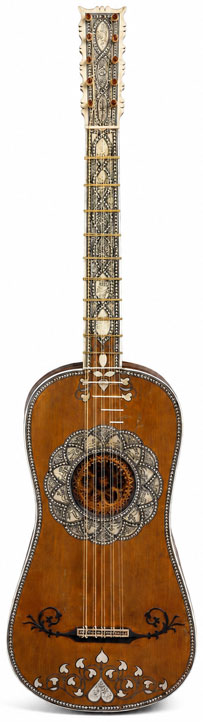
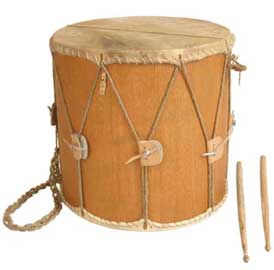
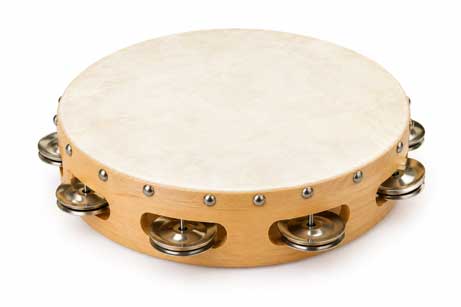
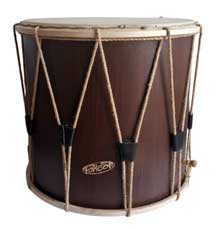
Medieval ensemble: lever harp, lute and baroque guitar (one player), percussion: bass drum and tenor drum (one player), tambourine and shaker (one player).

House and tech crew: lighting designer, sound engineer, projections operator, stage manager. Each organization may have different needs, depending on the venue and personnel resources.

Duration: 90 minutes plus intermission.

Props and costumes for four soloists and twelve chorus members are available for rent. Drawings of the preferred costume styles can be provided.

Staging:
Charts that provide instructions for action, entrances and exits, and lighting cues coordinated with the libretto.

Projections:
Lyrics should be projected either on a screen at the back of the stage or as supertitles; they are available electronically.
At its premiere, as attendees were taking their seats, about 25 images of funny and odd examples of medieval marginalia were projected. These images are available.

Scores are in PDF format. There is a conductors score and a piano/vocal score as well as individual instrumental parts.

Production notes if staged as a
chamber opera


Specs:
Four soloists: mezzo-soprano, tenor, bass/baritone, bass.

SATB Chorus: minimum three voices per part.

Medieval ensemble (amplified): lever harp, lute and baroque guitar (one player), percussion: bass drum and tenor drum (one player), tambourine and shaker (one player).

House and tech crew: lighting designer, sound engineer, projections operator, stage manager. Each organization may have different needs, depending on the venue and personnel resources.

Duration: 90 minutes plus intermission.

Props and costumes for four soloists and twelve chorus members are available for rent. Drawings of the preferred costume styles can be provided.

Staging:
Charts that provide instructions for action, entrances and exits, and lighting cues coordinated with the libretto.

Projections:
Lyrics should be projected either on a screen at the back of the stage or as supertitles; they are available electronically.
At its premiere, as attendees were taking their seats, about 25 images of funny and odd examples of medieval marginalia were projected. These images are available.

Scores are in PDF format. There is a conductors score and a piano/vocal score as well as individual instrumental parts.

Production notes if staged as a
chamber oratorio


Specs:
Four soloists: mezzo-soprano, tenor, bass/baritone, bass.

SATB Chorus: minimum three voices per part.

Medieval ensemble (amplified): lever harp, lute and baroque guitar (one player), percussion: bass drum and tenor drum (one player), tambourine and shaker (one player).

Dancers: contemporary dancers to perform as avatars for the four soloists.

House and tech crew: lighting designer, sound engineer, projections operator, stage manager. Each organization may have different needs, depending on the venue and personnel resources.

Duration: 90 minutes plus intermission.

Props and costumes for four soloists, twelve chorus members are available for rent.
Also available are charts that provide instructions for the stage manager and that coordinate dancer entrances, exits, and choreography suggestions with the libretto.

Staging:
Charts that provide instructions for action, entrances and exits, and lighting cues coordinated with the libretto.

At its premiere at Austin Scottish Rite Theater, Inversion Ensemble provided all the singers and the conductor. The chorus was in two rows on the floor down right from the stage. The orchestra was opposite on the floor down left. The soloists were on the stage: Earl Roger de Montgomery and Fitzhugh on the right and Adelina on the left. For Act II, King William II joined the other men on stage. All the singers had tablets on stands before them. The dancers performed in the space between the group of men and Adelina. The lyrics were projected on a screen at the back of the stage and above the dancers.

Projections:
Lyrics should be projected either on a screen at the back of the stage or as supertitles; they are available electronically.
At its premiere, as attendees were taking their seats, about 25 images of funny and odd examples of medieval marginalia were projected.

Scores are in PDF format. There is a conductors score and a piano/vocal score as well as individual instrumental parts.

Additional Notes

Adelina the Jester was conceived as a chamber oratorio but can be staged as a regular opera. There are four soloists: Adelina (mezzo soprano), Earl Roger de Montgomery (tenor), King William II (bass/baritone), and Fitzhugh (bass). Fitzhugh is the only fictional character. An SATB chorus of at least 12 singers (the more the merrier) represents peasants, townspeople, courtiers, and jail inmates. The chorus comments on the action and moves the plot forward. Andrew Grainger melded a medieval feel into a modern score. The music includes choral chants, quick dialog, arias, recitatives, and soaring harmonies.

Instrumentation

  • Lever Harp
  • Lute and Baroque guitar (one player)
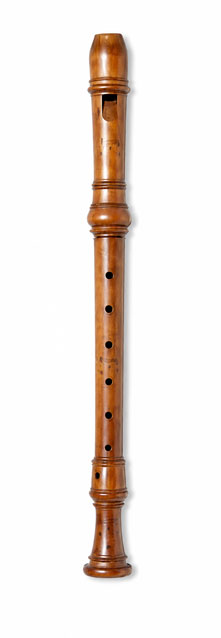
  • Alto recorder
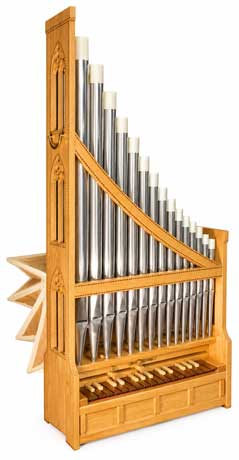
  • Chamber organ
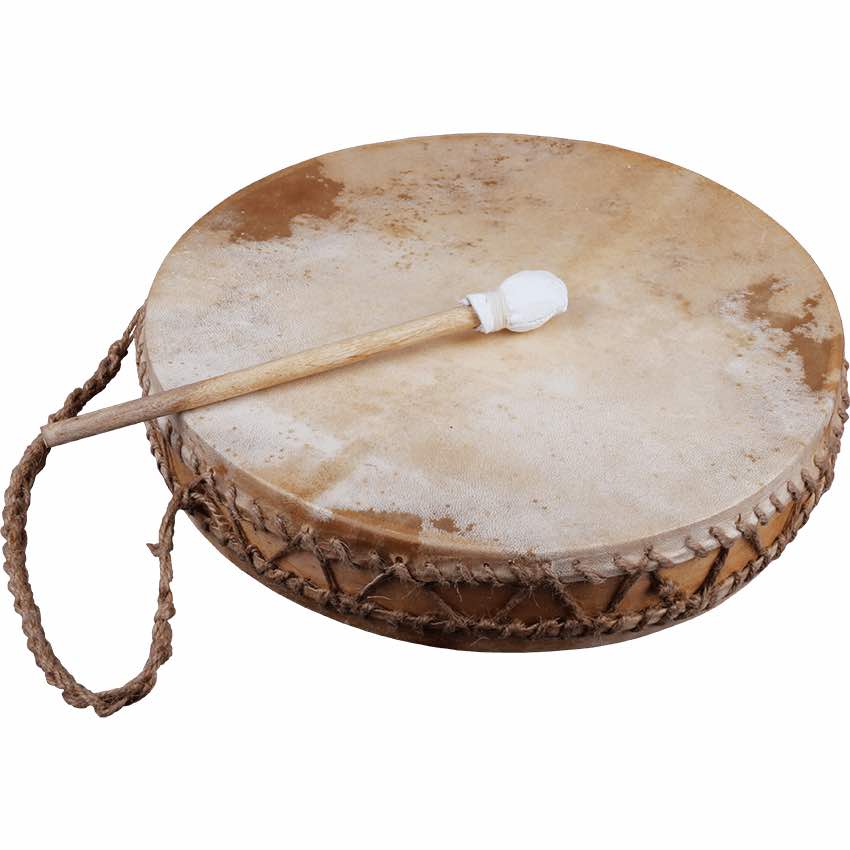
  • Percussion (two players) - bass and tenor drums with wooden beaters, tambourine and shaker.
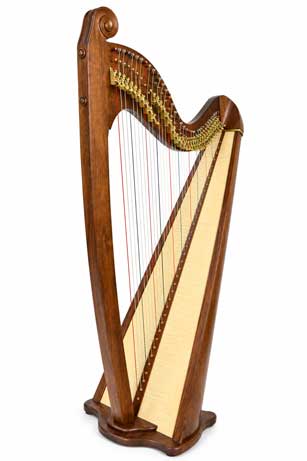
Instrumentation for an opera production

  • Full orchestra 
  • Lever Harp 
  • Lute and Baroque guitar (one player)
  • Alto recorder 
  • Chamber organ
  • Percussion (two players) - bass and tenor drums with wooden beaters, tambourine and shaker.
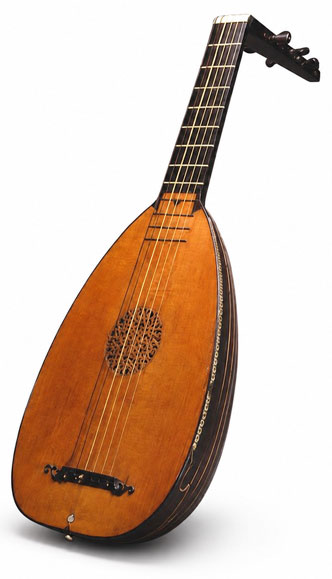
Soloists

  • Mezzo-soprano, tenor, bass/baritone, bass

Chorus

  • Chorus (SATB) 12 members minimum: three per voice. A larger choir will also work, especially for an opera production.

Listen to the music from Adelina the Jester here!

Amplification

An important element for the soundscape of Adelina the Jester is that all the instruments and singers (soloists and chorus) should be amplified. The fairly 'small' natural sound of the instruments means that amplification is neccessary to create the exciting and enveloping soundscape that is such an inherent aspect of the work. The sound should be mixed and presented with additional ambience or 'reverb'. If te work is performed in an opera house, some of these considerations can be modified to suit the specific circumstances.

Notes about the instrumentation.

The tuning mechanism of the lever harp has some important differences from the pedal harp, and the score is composed with this particular type of harp in mind. It is possible to use a pedal harp instead, but the harpist would have to make some choices about which notes to include and which notes to exclude in certain places. This would have a harmonic significance, but is possible. A lever harp is obviously preferred.
The lute and Baroque guitar part is possible to replace with a regular six-string modern guitar, with all metal strings, but a lute and five-string Baroque guitar is preferred.

From the composer: Andrew Grainger

Adelina is an interesting compositional blend featuring a medieval ensemble, orchestra (for the opera version), four soloists and a chamber or large chorus. Although I wanted to write a contemporary sounding piece, I also wanted to infuse a medieval feel into the score, so I especially chose instruments from this historical period. The main accompaniment instruments are the lever harp and the lute. They provide all the chordal accompaniment in the recitative sections and add to the overall soundscape in the tutti sections. They are underpinned by a chamber organ (using a soft, flutey type registration) which provides an important sustaining element to the sound. The recorder is the main melodic instrument, and the percussion section, consisting of a bass and tenor drum with hard beaters, and a tambourine and shaker, provides the rhythmic elements essential for creating an exciting and driving beat, but also helpful for providing many of the songs with an underlying groove. This medieval ensemble is supplemented in the opera version with a full orchestra which of course creates a much larger and fuller texture while maintaining a medieval underpinning to the soundscape.

Because of the nature of the featured medieval ensemble, many of the more contemporary harmonies are featured in the choral writing. Incidentally, the chorus has multiple roles, including providing important story elements in the style of a Greek chorus, often sung acapella, but they also enrich many of the arias by providing backing harmonies for the soloists, and there are also a few short solos which are provided by various members of the chorus.

Listen to the music from Adelina the Jester here!

Contact

Lissa Beth Anderson, Manager
lissa1453@gmail.com

USA 512 416 0543
USA 512 893 9584 (text)